The Everglades Today
Pythons, Melaleuca and Other Invaders of the Everglades
Some of the biggest threats to the Everglades arrived from other continents. A look at invasive plants and animals and how Florida fights back.
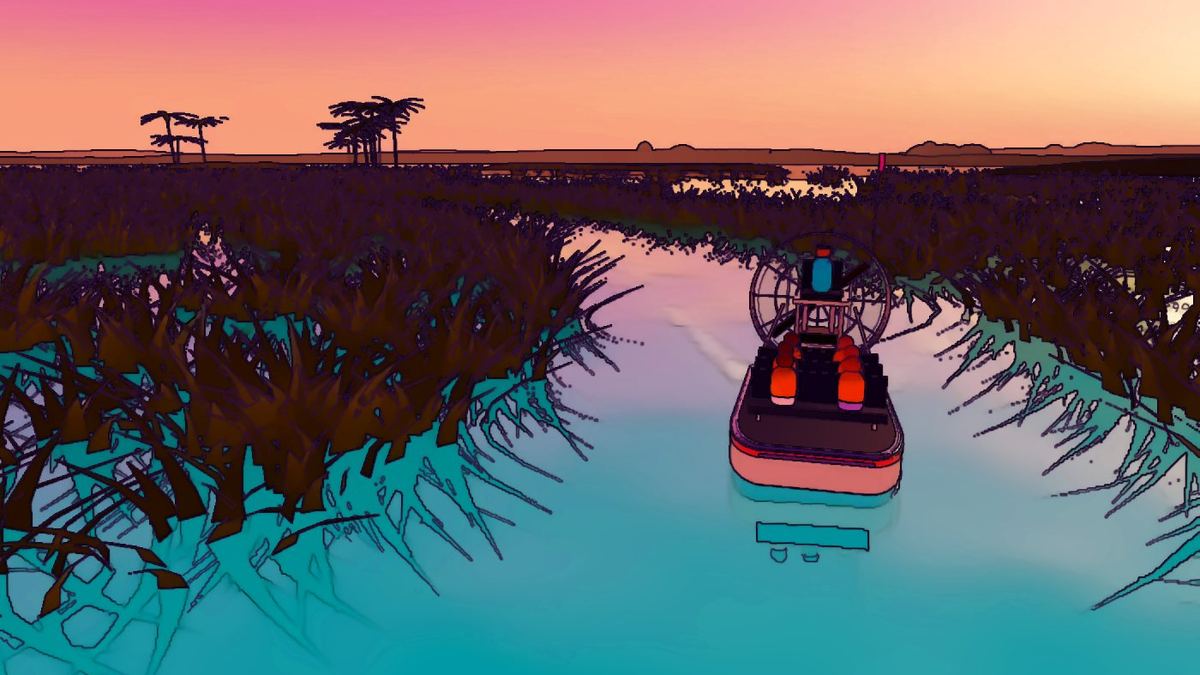
The Everglades faces threats that didn't come from drainage canals at all. Invasive species, plants and animals from other parts of the world, have taken hold across South Florida's mild, wet landscape.
Burmese pythons
Burmese pythons, native to Southeast Asia, became established in the Everglades after escaped or released pets began breeding in the wild. They are now one of the best-known invasive animals in the United States. Researchers have linked them to steep declines in small and medium-sized mammals in parts of the Everglades. Florida encourages removal through programs such as contracted python hunters and the public Florida Python Challenge.
Melaleuca: the tree planted to dry the swamp
Melaleuca, an Australian tree, was introduced to South Florida in the early 1900s, and some was spread deliberately in the hope it would help dry out the wetlands. It did the opposite of what the ecosystem needed, forming dense stands that crowded out native plants. Decades of cutting, herbicide and released biological-control insects have helped push it back in many areas.
Other unwelcome guests
Brazilian pepper, Old World climbing fern, Cuban treefrogs, tegu lizards and many non-native fish are among the long list of species managers track. Each changes the native web of life in its own way.
What visitors can do
- Never release pets, plants or aquarium life into the wild.
- Clean boots, gear and boats between waterways.
- Report sightings of invasive animals to Florida wildlife officials.
From an airboat you'll mostly see native sawgrass and wildlife, a reminder of what all that removal work is protecting.
Why Florida is vulnerable
South Florida's warm climate, abundant water and position as a major port of entry for international trade and the pet trade make it especially vulnerable to invasive species. Many non-native plants and animals that would not survive a northern winter can thrive here year-round.
Fighting back
Federal, state and tribal agencies work together to detect and remove invasive species. Strategies include early detection and rapid response for new arrivals, targeted removal of established species, biological controls for some invasive plants and public education. Detector dogs, tracking studies and new technologies are being used to find pythons in vast, hard-to-search habitats.
The Florida Python Challenge
The state's annual python challenge invites the public to help remove pythons under set rules and training requirements, raising awareness and removing animals from the wild. Contracted removal agents work year-round. Removal alone cannot eliminate the population, but it helps protect sensitive areas.
Native plants make a difference
Homeowners across South Florida can help by choosing native plants for landscaping, avoiding plants known to spread into natural areas and never releasing pets or aquarium species. Small choices across millions of yards add up to fewer new invaders reaching the Everglades.
Sources & further reading
Keep reading
 The Everglades Today
Where the River Ends: Florida Bay and the Mangrove Coast
Everything upstream in the Everglades eventually reaches Florida Bay. Why the health of the bay depends on fresh water from the marsh.
Read article The Everglades Today
The Everglades and Your Glass of Water
Millions of South Floridians drink water that depends on the Everglades. How the marsh and the Biscayne Aquifer are connected.
Read article
The Everglades Today
The Everglades Jetport That Never Was
In the late 1960s a giant airport was planned in the Big Cypress. The fight to stop it helped launch the modern Everglades movement.
Read article