The Everglades Today
The Everglades and Your Glass of Water
Millions of South Floridians drink water that depends on the Everglades. How the marsh and the Biscayne Aquifer are connected.
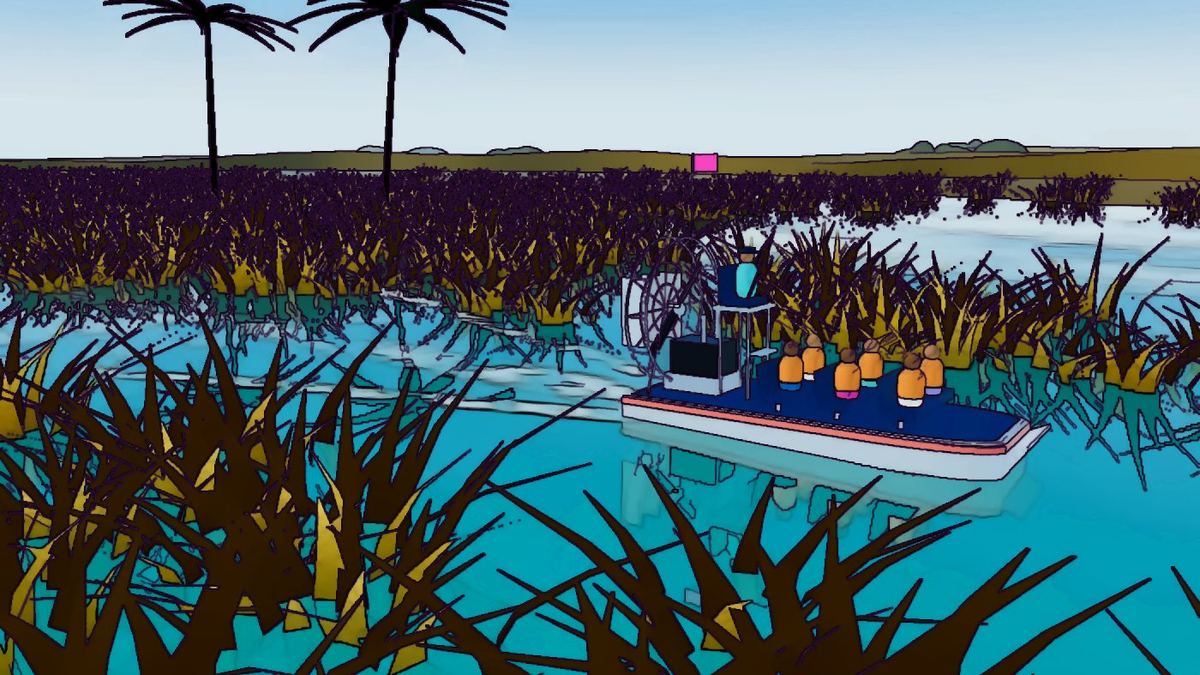
Restoring the Everglades isn't only about birds and alligators. It's also about the water that comes out of taps from Homestead to Palm Beach County.
The Biscayne Aquifer
Most of Miami-Dade's drinking water comes from the Biscayne Aquifer, a layer of porous limestone just beneath the surface. Because the rock is so porous, water from the Everglades and from rain seeps into it quickly. That makes it an excellent source of water, and also makes it vulnerable to pollution and to saltwater pushing in from the coast.
Holding back the sea
Fresh water in the aquifer pushes against seawater underground. When water levels drop, through drought or over-pumping, salt water can move inland toward wellfields. Keeping enough fresh water flowing through the Everglades and canals helps hold that line, an issue that grows more important as sea levels rise.
Shared plumbing
The same canals, levees and pumping stations built by the U.S. Army Corps of Engineers for flood control are used to manage water supply. The South Florida Water Management District balances the needs of cities, farms and the natural system, a difficult task in both drought and flood years.
Why restoration helps everyone
Capturing and storing water that would otherwise be lost to the ocean, a central goal of the Comprehensive Everglades Restoration Plan, benefits both the Everglades and the people who depend on its water.
Next time you cross the marsh on an airboat, remember that you are also looking at part of South Florida's water supply.
Wellfields near the Everglades
Some of Miami-Dade's largest drinking-water wellfields sit near the eastern edge of the Everglades. Water managers maintain protection zones around them and carefully manage canal levels nearby. Keeping the land around wellfields clean helps protect the water that reaches residents' taps.
Droughts and water restrictions
During dry years, South Florida sometimes faces water restrictions limiting lawn watering. Lake Okeechobee levels, Everglades water levels and aquifer conditions all factor into those decisions. Storage projects being built through Everglades restoration are intended to make the region more resilient during droughts.
Water conservation at home and work
- Fix leaks and use efficient fixtures.
- Choose Florida-friendly landscaping that needs less irrigation.
- Follow local watering schedules.
- Reuse and recycle water where systems allow.
A shared resource
Cities, farms, wildlife and visitors all depend on the same water. The Everglades is not just a natural wonder outside Miami's city limits; it is part of the city's infrastructure. That connection is one reason restoring the Everglades has broad public support across South Florida.
Sources & further reading
Keep reading
 The Everglades Today
Plume Hunters, Guy Bradley and the Birth of Bird Protection
At the turn of the 20th century, fashion nearly wiped out the Everglades' wading birds. A young game warden paid with his life to stop it.
Read article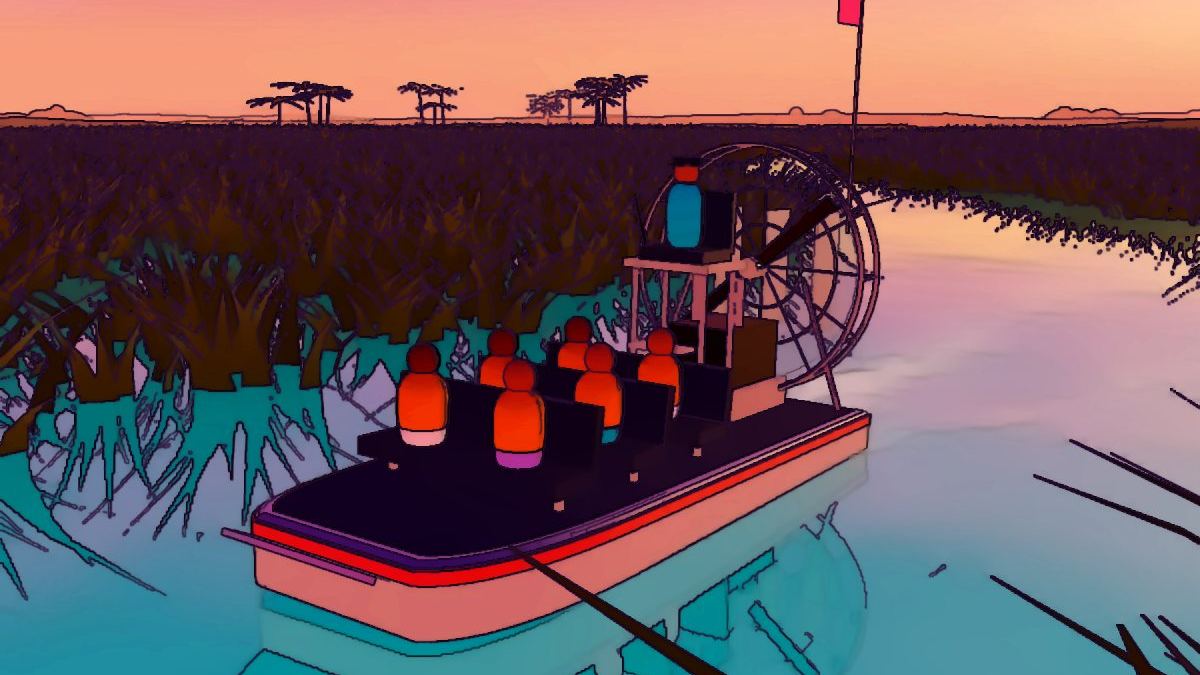 The Everglades Today
A Short History of the Airboat
Why a flat-bottomed boat pushed by an airplane propeller became the classic way to cross the Everglades.
Read article
The Everglades Today
Sawgrass: The Plant That Defines the Everglades
It isn't really a grass, its edges can cut, and it built the soil of the Everglades. Meet the plant you'll ride through.
Read article