The Everglades Today
Where the River Ends: Florida Bay and the Mangrove Coast
Everything upstream in the Everglades eventually reaches Florida Bay. Why the health of the bay depends on fresh water from the marsh.
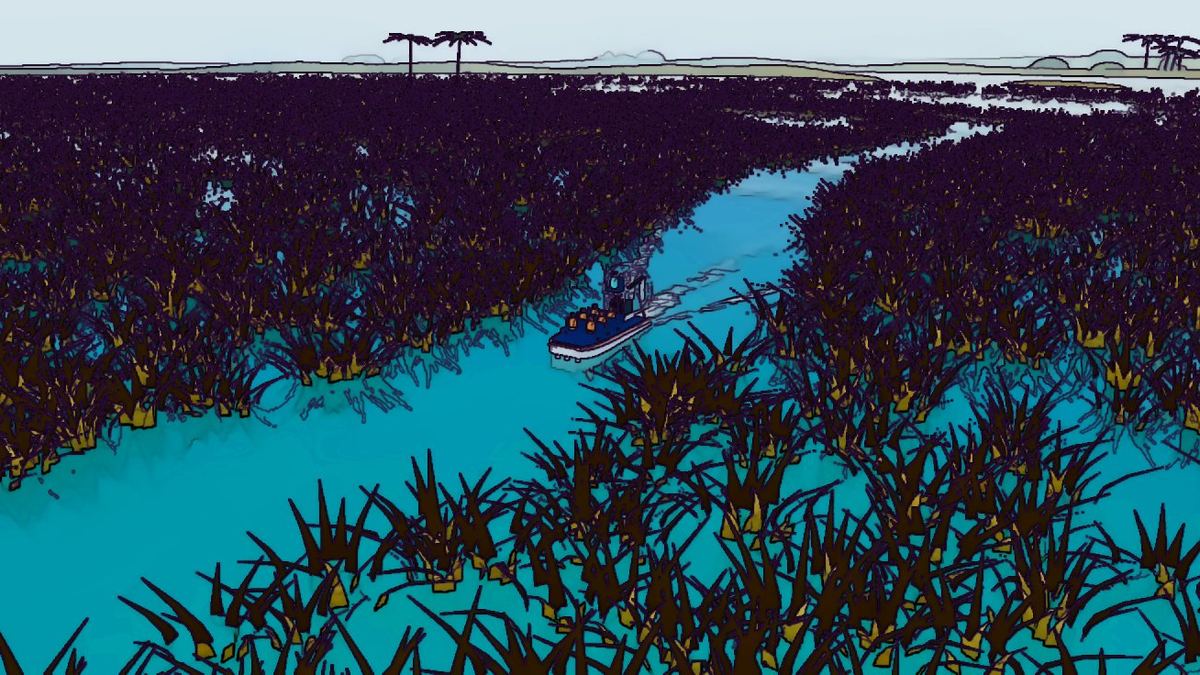
The water that slides past your airboat near Miami is, in the long run, on its way south. At the bottom of the Everglades lies Florida Bay, a shallow, island-studded bay between the mainland and the Florida Keys.
Mangroves: the coastal edge
Where fresh water meets the sea, mangrove forests take over. Red, black and white mangroves tolerate salt, protect the shoreline from storms and shelter young fish, shrimp and crabs. Southwest Florida's Ten Thousand Islands and the coastline of Everglades National Park hold one of the largest mangrove systems in the Western Hemisphere.
A delicate balance of salt and fresh
Florida Bay depends on a steady supply of fresh water from the Everglades to keep salinity in a healthy range. When canals divert that water elsewhere, parts of the bay can become saltier than the ocean during droughts. In the late 1980s, a large die-off of seagrass in Florida Bay drew national attention to the problem.
Connected to everything
Seagrass beds support fisheries, sea turtles and manatees, and they keep the water clear. The bay also feeds into the reefs and fisheries of the Florida Keys. That's why restoration projects far to the north, such as raising the Tamiami Trail and building storage reservoirs, are measured partly by what happens in Florida Bay.
See it for yourself
Everglades National Park's Flamingo area, at the end of the main park road, is the best place to see the bay from land. Pair it with an airboat ride through the freshwater sawgrass for a full picture of the river from top to bottom.
The mangrove nursery
Mangrove roots create sheltered water where young fish grow before moving out to seagrass beds and reefs. Many popular sport fish, including snook and tarpon, depend on mangrove shorelines at some stage of life. Healthy mangroves also trap sediment and help keep water clear.
Storms and mangroves
Hurricanes can strip and topple mangroves, but these forests also protect the coast by reducing wave energy and storm surge. After major storms, scientists track how mangrove forests recover and how much shoreline they protect. Restoration of freshwater flow helps mangroves and the soils beneath them stay healthy.
Wildlife of the bay
Florida Bay is home to bottlenose dolphins, manatees, sea turtles, sharks, roseate spoonbills and American crocodiles. Its many small keys are important nesting and roosting places for birds. Much of the bay lies within Everglades National Park.
One river, many places
Florida Bay shows how connected South Florida is. Rain falling near Orlando, water moving through the Kissimmee River and Lake Okeechobee, sheet flow through the sawgrass west of Miami and salt water lapping the Keys are all part of the same system. An airboat ride is a chance to see the middle of that story up close.
Sources & further reading
Keep reading
 The Everglades Today
The Everglades Jetport That Never Was
In the late 1960s a giant airport was planned in the Big Cypress. The fight to stop it helped launch the modern Everglades movement.
Read article
The Everglades Today
Plume Hunters, Guy Bradley and the Birth of Bird Protection
At the turn of the 20th century, fashion nearly wiped out the Everglades' wading birds. A young game warden paid with his life to stop it.
Read article The Everglades Today
A Short History of the Airboat
Why a flat-bottomed boat pushed by an airplane propeller became the classic way to cross the Everglades.
Read article