The Everglades Today
The Everglades Jetport That Never Was
In the late 1960s a giant airport was planned in the Big Cypress. The fight to stop it helped launch the modern Everglades movement.
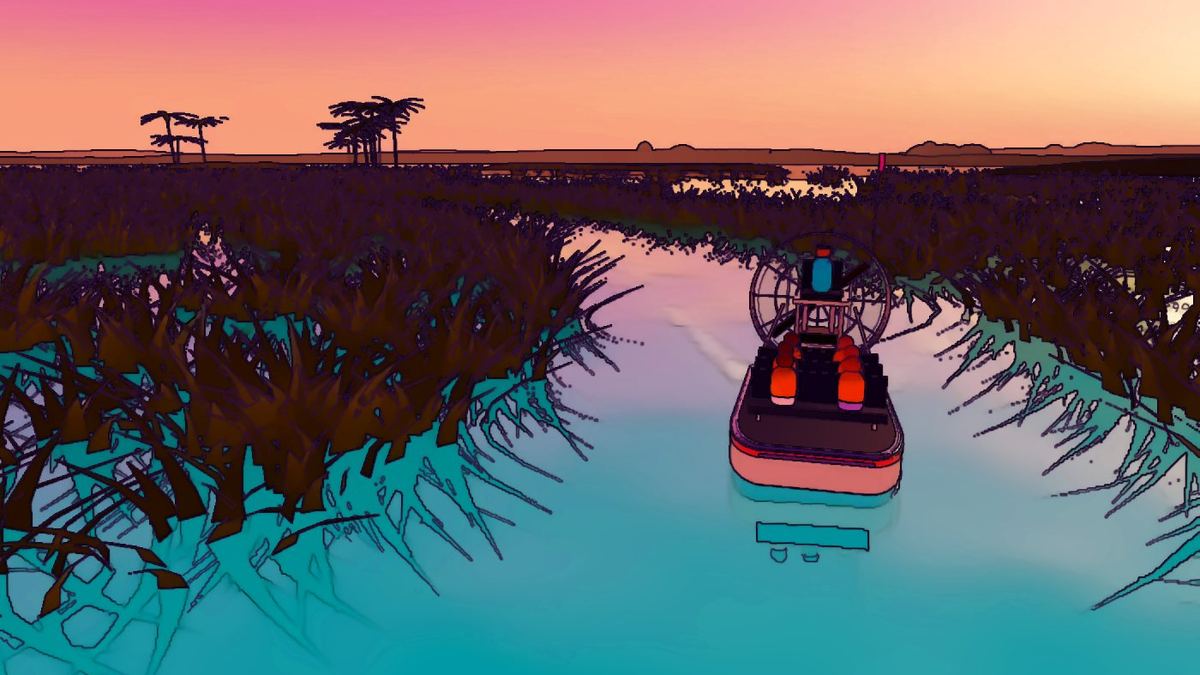
In the late 1960s, planners proposed one of the boldest projects ever aimed at South Florida's wetlands: a huge new jetport in the Big Cypress Swamp, west of Miami, intended to serve the supersonic airliners of the future.
A runway in the swamp
Land was purchased in 1968, and a training runway was built in the Big Cypress, north of the Tamiami Trail. Plans called for a much larger airport and, eventually, highways and development to go with it, directly upstream of Everglades National Park.
A coalition forms
Scientists, hunters, fishermen, conservation groups and the Miccosukee Tribe raised alarms about what a city-sized airport would do to the water flowing into the park. Marjory Stoneman Douglas, then in her late 70s, founded Friends of the Everglades in 1969 to fight it. A federal study warned the project would severely damage the ecosystem.
The project is stopped
In 1970 the Nixon administration and state officials agreed to halt the jetport. The training runway remained, and it is still visible from the air today, a reminder of how close the plan came.
Big Cypress National Preserve
The fight led directly to new protections. President Nixon called for protecting the Big Cypress, and Congress established Big Cypress National Preserve in 1974. As a preserve rather than a park, it allows some traditional uses, such as hunting and certain off-road vehicles, under park service management, and it protects water flowing south into the Everglades.
A turning point
The jetport fight marked the moment the Everglades became a national cause. It set the stage for the restoration efforts that followed, and for the idea that the marsh is worth more left whole.
The Big Cypress landscape
The Big Cypress Swamp is not one big swamp but a mosaic of cypress strands and domes, pinelands, wet prairies, marshes and hammocks. Its name refers to the vast extent of cypress, not the size of the trees, though giant old cypress once grew there before heavy logging in the mid-20th century.
Water flows south from the Big Cypress
Rain falling in the Big Cypress moves slowly southwest toward the Ten Thousand Islands and south into the western Everglades. Protecting the preserve helps keep that water clean and flowing, which supports the mangrove coast and fisheries downstream.
Tribal lands and traditions
The Big Cypress and nearby areas include lands of the Seminole and Miccosukee tribes. The preserve's management recognizes traditional uses, and tribal members continue to live, hunt and gather in the region.
Visiting the area
The Tamiami Trail crosses the Big Cypress west of the Everglades. Stops include visitor centers, scenic drives and boardwalks. Groups with a full day can combine a morning airboat ride near Miami with a drive west through the preserve, seeing how the landscape changes from sawgrass to cypress.
Sources & further reading
Keep reading
 The Everglades Today
A Short History of the Airboat
Why a flat-bottomed boat pushed by an airplane propeller became the classic way to cross the Everglades.
Read article The Everglades Today
Sawgrass: The Plant That Defines the Everglades
It isn't really a grass, its edges can cut, and it built the soil of the Everglades. Meet the plant you'll ride through.
Read article The Everglades Today
Who Lives in the Everglades? A Wildlife Guide for First-Time Visitors
Alligators, wading birds, turtles and fish: what you might see from an airboat, and why no two trips are the same.
Read article