The Everglades Today
Who Lives in the Everglades? A Wildlife Guide for First-Time Visitors
Alligators, wading birds, turtles and fish: what you might see from an airboat, and why no two trips are the same.
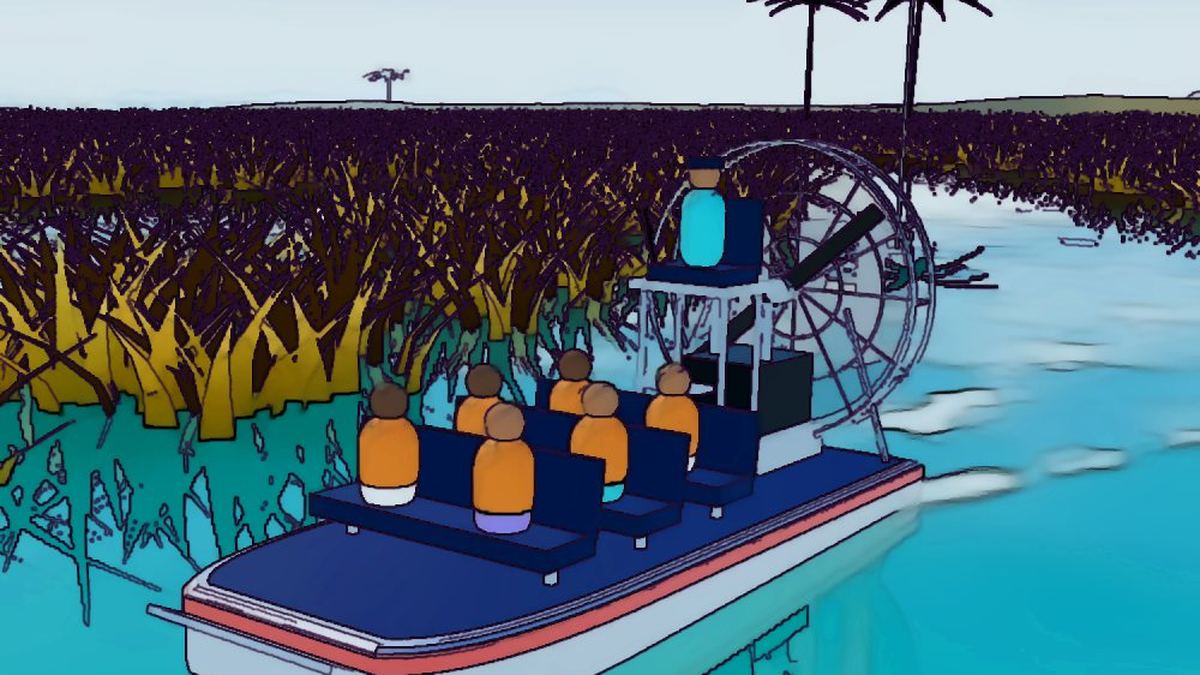
Part of the fun of an Everglades airboat ride is that you never know exactly what you'll see. Wildlife sightings vary with the season, the water level, the weather and the time of day. Here are the animals visitors most often ask about.
American alligator
The alligator is the Everglades' best-known resident and an ecosystem engineer. During the dry season, gators clear out depressions called "alligator holes" that hold water when the rest of the marsh dries, giving fish, turtles and birds a refuge. Alligators were once hunted heavily; protection allowed them to recover, and they are now common in Florida's fresh water.
Wading birds
Great egrets, snowy egrets, great blue herons, tricolored herons, white ibis and wood storks feed along the marsh edges. Anhingas dry their wings in trees, and with luck you might spot a roseate spoonbill's pink feathers. Birds are often easier to see in the drier months, when fish concentrate in shrinking pools.
Turtles, fish and more
Softshell turtles, sliders and cooters bask on logs and banks. Gar, bass, bream and many smaller fish fill the sloughs, feeding everything from birds to otters. The marsh is also home to raccoons, deer and, rarely seen, the endangered Florida panther.
The crocodile question
South Florida is the only place in the world where American alligators and American crocodiles live naturally side by side. Crocodiles prefer brackish and salt water along the coast, so on a freshwater airboat ride near Miami you're far more likely to see alligators.
Respecting wildlife
Never feed or approach wild animals; feeding alligators is illegal in Florida and makes them dangerous. Your captain will keep a respectful distance, and binoculars or a camera with a zoom make the most of every sighting.
Best times to spot wildlife
Animals are generally most active in the cooler parts of the day: early morning and late afternoon. In the dry season, wildlife concentrates around the remaining water, so sightings can be easier. In the wet season, animals spread out across the marsh, but the landscape is lush and full of birds.
Birds to look for
- Great egret: tall, all-white heron with a yellow bill.
- Great blue heron: large, gray-blue heron that often stands motionless.
- White ibis: white bird with a long, curved red-orange bill.
- Anhinga: dark bird often seen with wings spread to dry.
- Red-shouldered hawk and osprey: raptors hunting over the marsh.
- Purple gallinule: brilliantly colored marsh bird walking on lily pads.
Reading alligator behavior
Alligators often bask in the sun to warm up, especially on cooler mornings. They may slide into the water as a boat approaches. Large alligators are powerful animals; your captain will keep the boat at a safe distance. Never dangle hands or feet over the side of a boat.
Wildlife and restoration
The number and variety of animals in the Everglades depends on water. Too much water at the wrong time drowns nests; too little leaves fish nowhere to live. Every sighting on your ride is connected to the larger effort to get the water right.
Sources & further reading
Keep reading
 The Everglades Today
Pythons, Melaleuca and Other Invaders of the Everglades
Some of the biggest threats to the Everglades arrived from other continents. A look at invasive plants and animals and how Florida fights back.
Read article The Everglades Today
Tree Islands and Hammocks: The High Ground of the Everglades
Those clumps of trees rising out of the sawgrass are some of the most important places in the Everglades, for wildlife and for people.
Read article The Everglades Today
Where the River Ends: Florida Bay and the Mangrove Coast
Everything upstream in the Everglades eventually reaches Florida Bay. Why the health of the bay depends on fresh water from the marsh.
Read article