The Everglades Today
Tree Islands and Hammocks: The High Ground of the Everglades
Those clumps of trees rising out of the sawgrass are some of the most important places in the Everglades, for wildlife and for people.
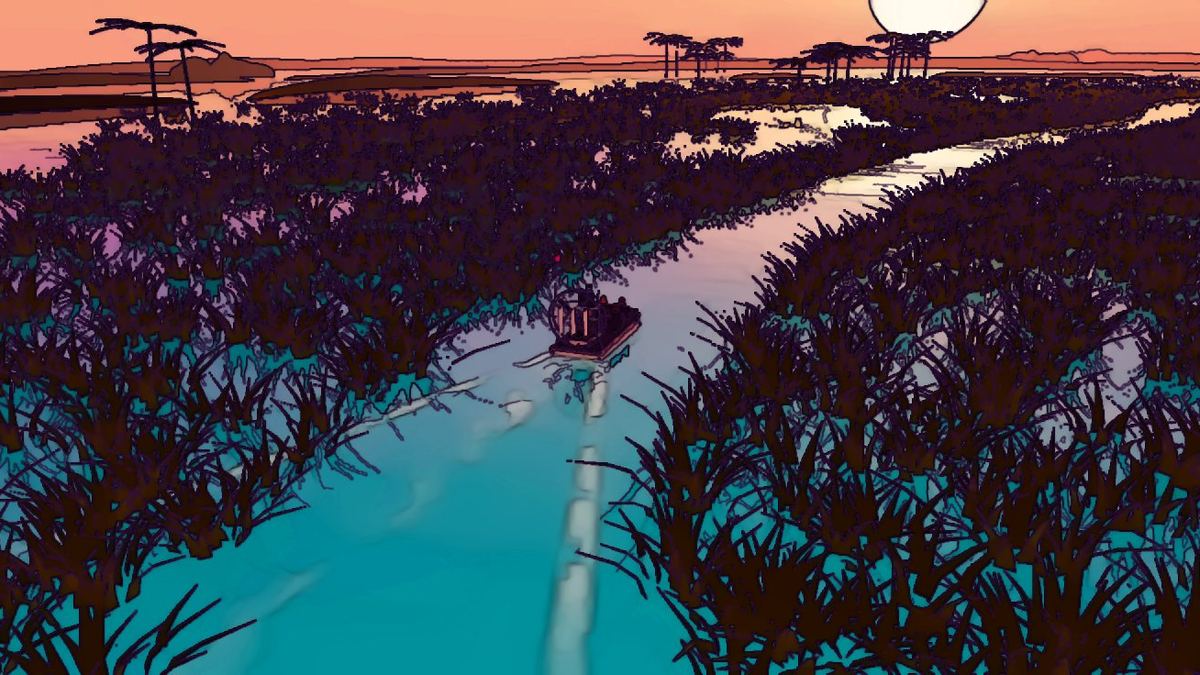
As your airboat crosses open sawgrass, you'll notice islands of trees scattered across the marsh, often with tall, mop-headed palms. They look small from a distance, but they are some of the most important features of the Everglades.
A few feet makes all the difference
In a landscape this flat, a rise of a foot or two changes everything. Tree islands sit just high enough to stay drier than the surrounding marsh, allowing trees and shrubs to grow. Many have a teardrop shape pointing downstream, shaped over centuries by the slow flow of water.
Hammocks, heads and bayheads
Floridians use the word "hammock" for a stand of hardwood trees on slightly higher ground. In the Everglades you may hear about tropical hardwood hammocks, bayheads (dominated by bay trees) and cypress domes or heads. Gumbo-limbo, live oak, strangler fig, wax myrtle and cocoplum are common residents.
The cabbage palm
The tall palms on many islands are often cabbage palms, also called sabal palms. The sabal palm is Florida's state tree. Seminole and Miccosukee builders traditionally used palm fronds to thatch chickee roofs.
Refuges for wildlife and people
Tree islands provide nesting sites for birds, dens for mammals and shelter during high water. For thousands of years they also provided living space for people; archaeologists have found evidence of human use on many of them, and Seminole and Miccosukee families built camps on them during and after the Seminole Wars.
Islands at risk
When water stays too high or too low for too long, tree islands suffer. Prolonged flooding drowns trees, while drought allows fires to burn into their peat soils. Healthy tree islands are one of the signs restoration scientists look for.
How tree islands form
Scientists believe tree islands often begin on slightly higher bedrock or where plants and peat build up over time. Once trees take hold, they add leaf litter and attract animals, which further enriches the soil. Birds roosting in the trees deposit nutrients, which helps the island grow. Over centuries, these processes create the distinctive shapes seen from the air.
A guide to common trees
- Cabbage palm (sabal palm): Florida's state tree, with a fan-shaped crown.
- Gumbo-limbo: recognizable by its peeling, reddish bark.
- Live oak: broad, spreading branches, often draped with air plants.
- Strangler fig: begins life on another tree and gradually encloses it.
- Bald cypress: deciduous conifer of wetter areas, often in domes.
Air plants and orchids
Many tree islands host bromeliads and orchids growing on branches. Some, like certain native bromeliads, are threatened by an invasive weevil, and wild orchids are protected. Admiring them from a distance helps keep them safe.
From the airboat
Tree islands make great landmarks and photo backdrops. On a sunset ride, watch for palm silhouettes against the colorful sky, one of the most classic images of South Florida.
Sources & further reading
Keep reading
 The Everglades Today
The Everglades and Your Glass of Water
Millions of South Floridians drink water that depends on the Everglades. How the marsh and the Biscayne Aquifer are connected.
Read article The Everglades Today
The Everglades Jetport That Never Was
In the late 1960s a giant airport was planned in the Big Cypress. The fight to stop it helped launch the modern Everglades movement.
Read article
The Everglades Today
Plume Hunters, Guy Bradley and the Birth of Bird Protection
At the turn of the 20th century, fashion nearly wiped out the Everglades' wading birds. A young game warden paid with his life to stop it.
Read article