The Everglades Today
A Short History of the Airboat
Why a flat-bottomed boat pushed by an airplane propeller became the classic way to cross the Everglades.
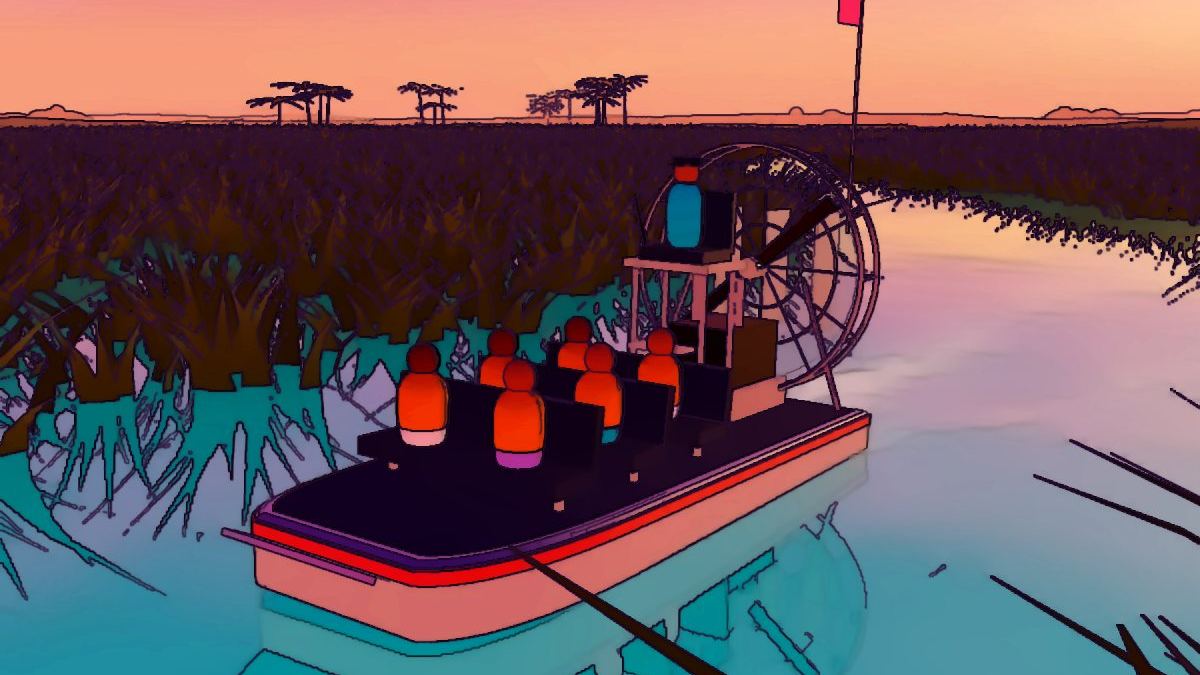
The airboat is such a part of the Everglades that it is hard to imagine the marsh without one. But it exists for a practical reason: in water that may be only inches deep and thick with sawgrass, a normal boat's propeller and rudder would quickly foul or hit bottom.
Propellers in the air
Inventors experimented with air-propelled boats in the early 1900s, around the same time as early aviation. In South Florida, aviation pioneer Glenn Curtiss, who developed Hialeah, Miami Springs and Opa-locka, is often credited with building one of the region's early air-driven boats around 1920. By the 1930s and 1940s, local hunters, frog giggers and fishermen were building their own versions to reach places no other boat could go.
How an airboat works
- Flat hull: the boat skims on top of the water, so it can cross very shallow marsh and even wet grass.
- Engine and propeller above the deck: nothing hangs below the hull to snag.
- Air rudders: large vertical rudders behind the propeller steer by redirecting the airflow.
- Prop cage: a protective guard around the propeller keeps people and objects away from it.
- Elevated driver's seat: the captain sits high to see over the sawgrass.
From work boat to tour boat
As the Tamiami Trail brought visitors to the edge of the Everglades, airboat rides became one of South Florida's best-known experiences. Commercial tour boats grew larger, with bench seating, life jackets and hearing protection, because airboats are loud.
Where airboats operate
Inside Everglades National Park, airboat use is tightly limited. Most airboat tours near Miami operate in areas outside the park, such as the water conservation areas and private or tribal lands along the Tamiami Trail. Ask your captain about the area you're riding in; local operators know these waters well.
The anatomy of a tour boat
Modern commercial airboats are larger and more refined than the homemade boats of the 1940s. Hulls are typically aluminum, sometimes coated to slide smoothly over vegetation. Engines range from automotive V8s to aircraft engines, and propellers are often made of composite materials. Tour boats carry several rows of bench seats, with the captain perched on an elevated seat behind the passengers.
Why airboats are loud
An airboat's propeller spins in open air, so it is much louder than a submerged boat propeller. That's why operators provide hearing protection and why captains often cut the engine to talk, point out wildlife or let guests enjoy the quiet of the marsh. Newer mufflers and propeller designs have helped reduce noise.
Skills of an airboat captain
Driving an airboat takes skill. With no brakes and no reverse on most boats, captains steer and slow down using the rudders and throttle, reading the wind, water depth and vegetation. Experienced captains know their stretch of the Everglades intimately, including where alligators tend to bask and where birds gather.
Safety basics for groups
- Stay seated and keep hands and arms inside the boat.
- Secure hats, phones and loose items.
- Wear the hearing protection provided.
- Follow the captain's instructions at all times.
Our what-to-expect guide covers more about preparing for a ride.
Sources & further reading
Keep reading
 The Everglades Today
Who Lives in the Everglades? A Wildlife Guide for First-Time Visitors
Alligators, wading birds, turtles and fish: what you might see from an airboat, and why no two trips are the same.
Read article The Everglades Today
Wet Season, Dry Season: When to Visit the Everglades
South Florida has two seasons that matter in the marsh. Here's how each one changes an airboat trip and how to plan a group outing.
Read article The Everglades Today
Pythons, Melaleuca and Other Invaders of the Everglades
Some of the biggest threats to the Everglades arrived from other continents. A look at invasive plants and animals and how Florida fights back.
Read article