The Everglades Today
Sawgrass: The Plant That Defines the Everglades
It isn't really a grass, its edges can cut, and it built the soil of the Everglades. Meet the plant you'll ride through.
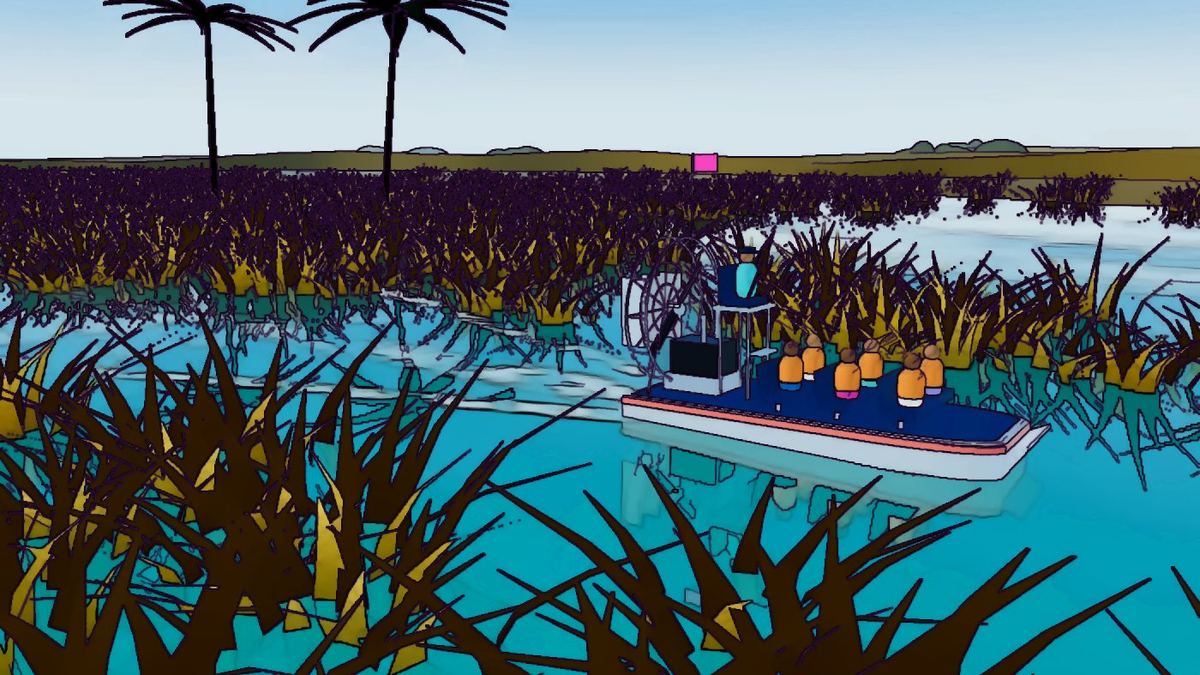
The "grass" in River of Grass is sawgrass, and on an airboat ride you'll cross miles of it. Here is what you're looking at.
Not actually a grass
Sawgrass (Cladium jamaicense) is a sedge, a cousin of grasses with a triangular, solid stem. Botanists like to remind people that "sedges have edges." Sawgrass takes the idea further: its long, narrow leaves are lined with tiny, sharp teeth that can easily slice skin, which is exactly why it got its name and why airboats ride over it rather than people walking through it.
A survivor
Sawgrass thrives in water that is low in nutrients, especially phosphorus. It handles seasonal flooding, drought and even fire; its growing points are protected near the base, so it often resprouts after a burn. In good conditions it can grow taller than a person.
Builder of the land
Over thousands of years, dead sawgrass and other plants built up thick layers of peat across the northern Everglades. That rich organic soil is what drew drainage promoters and farmers to the region. When it was drained, the peat oxidized and shrank, and in some farm areas the ground has dropped several feet.
A warning sign: cattails
When phosphorus-rich runoff reaches the marsh, cattails can crowd out sawgrass. Dense cattail stands are one of the clearest signs of nutrient pollution, and keeping phosphorus out is a major goal of Everglades restoration.
Sawgrass from the airboat
Watch how the sawgrass ridges line up with the flow of water and how they part around open sloughs and tree islands. In the late afternoon, the low sun turns the whole marsh gold, one of the best reasons to book a sunset ride.
A plant built for low nutrients
The original Everglades was extremely low in phosphorus, one of the nutrients most plants need. Sawgrass is efficient at surviving on very little, which is why it once dominated so much of the marsh. When extra phosphorus enters the system from farms or development, faster-growing plants like cattails gain an advantage. That is why water-quality rules for the Everglades set phosphorus targets at extremely low levels.
Fire and renewal
Lightning-sparked fires have always been part of the Everglades. Sawgrass usually burns quickly across the top, while its roots and growing points survive if water remains in the soil. Within weeks, new green shoots appear. The danger comes when the marsh is drained: then fire can burn into the peat soil itself, a much more destructive kind of fire.
Wildlife among the blades
Sawgrass marsh shelters small fish, crayfish, frogs and snails, including the apple snail that feeds the endangered snail kite. Alligators and turtles move through it, and wading birds hunt along its edges. From the airboat it may look uniform, but it is full of life.
Photographing sawgrass
For the best photos, shoot in the early morning or late afternoon when side light brings out the texture of the blades and the gold and green colors. Include a tree island or a line of clouds on the horizon for scale. And keep your phone secured; airboats move quickly.
Sources & further reading
Keep reading
 The Everglades Today
Wet Season, Dry Season: When to Visit the Everglades
South Florida has two seasons that matter in the marsh. Here's how each one changes an airboat trip and how to plan a group outing.
Read article The Everglades Today
Pythons, Melaleuca and Other Invaders of the Everglades
Some of the biggest threats to the Everglades arrived from other continents. A look at invasive plants and animals and how Florida fights back.
Read article The Everglades Today
Tree Islands and Hammocks: The High Ground of the Everglades
Those clumps of trees rising out of the sawgrass are some of the most important places in the Everglades, for wildlife and for people.
Read article