Miami History
From Mangrove Island to Miami Beach: Collins, Fisher and the 1913 Bridge
A Quaker farmer's bridge and an Indianapolis promoter's money turned a mangrove barrier island into Miami Beach.
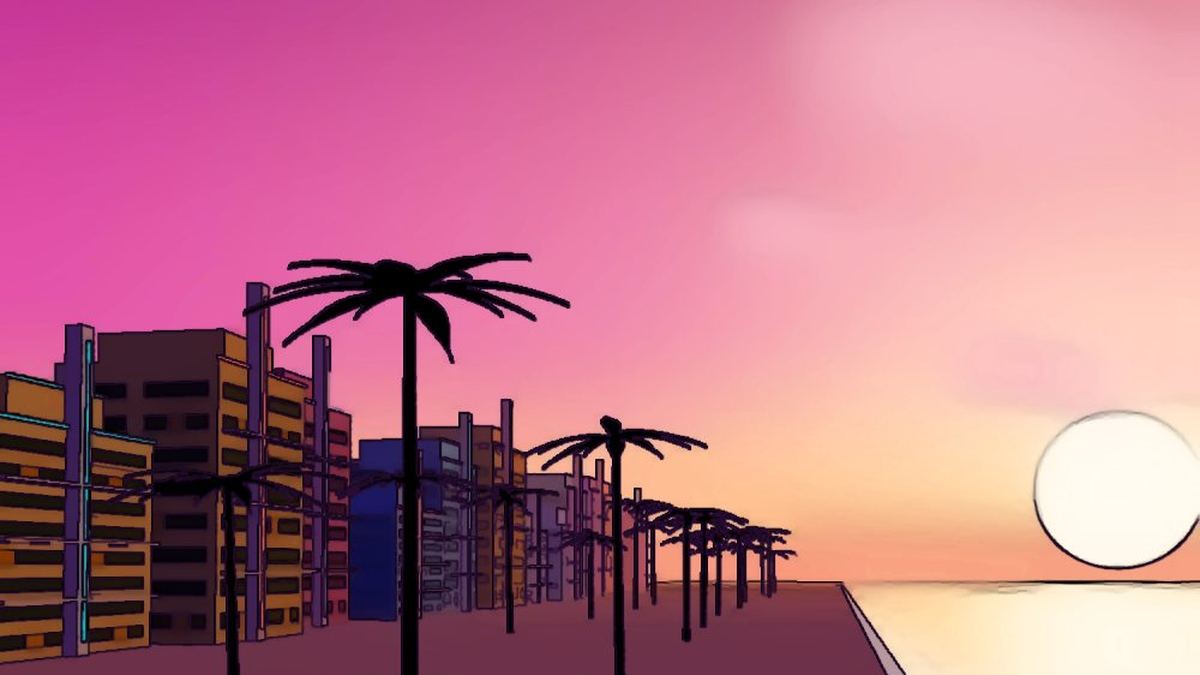
Miami Beach was once a long, narrow barrier island covered with mangroves, palmettos and sand dunes. Turning it into a resort city took a farmer, a pair of bankers and an automobile millionaire.
John Collins's farm
John S. Collins, a Quaker farmer from New Jersey, invested in land on the island and planted avocado and mango groves. To get his crops to market and open the island to development, he began building a wooden bridge across Biscayne Bay.
The bridge that built a city
Collins ran short of money before finishing. Carl G. Fisher, an Indianapolis entrepreneur who had made a fortune in automobile headlights and helped create the Indianapolis Motor Speedway, loaned him $50,000 to complete it, receiving land in return. The Collins Bridge opened on June 12, 1913. At about two and a half miles, it was described at the time as the longest wooden bridge in the world.
Dredging an island
Fisher, the Lummus brothers (bankers from Miami) and Collins's family developed the island. Dredges pumped sand from the bay bottom to fill in mangrove wetlands and create new land, and new islands were built along the bay side.
Selling paradise
Fisher was a master promoter. He built hotels, golf courses and polo fields and advertised Miami Beach nationally with billboards and publicity stunts, including famous photographs of bathing beauties and even an elephant named Carl II.
A new city
Miami Beach was incorporated in 1915. A decade later, it was one of the most famous resort destinations in the country.
The Lummus brothers
J.N. and J.E. Lummus, Miami bankers, bought land at the southern end of the island and began developing it as an oceanfront resort community around the same time Collins and Fisher were working farther north. Their development included much of what is now South Beach. Lummus Park on Ocean Drive is named for them.
Building on sand
Turning a mangrove island into a resort required enormous dredging and filling. Mangroves were cleared, and bay bottom was pumped onto low areas to raise them. The man-made islands along the bay side, such as the Venetian Islands and Star Island, were created during this era. The work permanently changed Biscayne Bay's shoreline.
Bridges and causeways
The wooden Collins Bridge was eventually replaced, and new causeways connected the island to the mainland. The County Causeway, now the MacArthur Causeway, opened in 1920, and other connections followed. Today several causeways link Miami Beach to the mainland, including the Julia Tuttle and the Venetian.
A resort with a history
Miami Beach's early development also had a darker side. Restrictive covenants and practices excluded Black and Jewish residents and visitors from many areas for decades. Those barriers were challenged and eventually dismantled, and the city's history today includes those struggles alongside its glamour.
Sources & further reading
Keep reading
 Miami History
The Great Miami Hurricane of 1926
A direct hit at the height of the land boom killed hundreds, left tens of thousands homeless and changed how Miami built.
Read article
Miami History
Pastel and Neon: How Miami Beach Got Its Art Deco
During the Depression, Miami Beach built hundreds of small, stylish hotels. Decades later, a preservation fight saved them.
Read article
Miami History
Vizcaya: James Deering's Bayfront Palace
An industrialist built a Renaissance-style villa on Biscayne Bay in the 1910s. Today it is one of Miami's great museums.
Read article