Miami History
Pastel and Neon: How Miami Beach Got Its Art Deco
During the Depression, Miami Beach built hundreds of small, stylish hotels. Decades later, a preservation fight saved them.
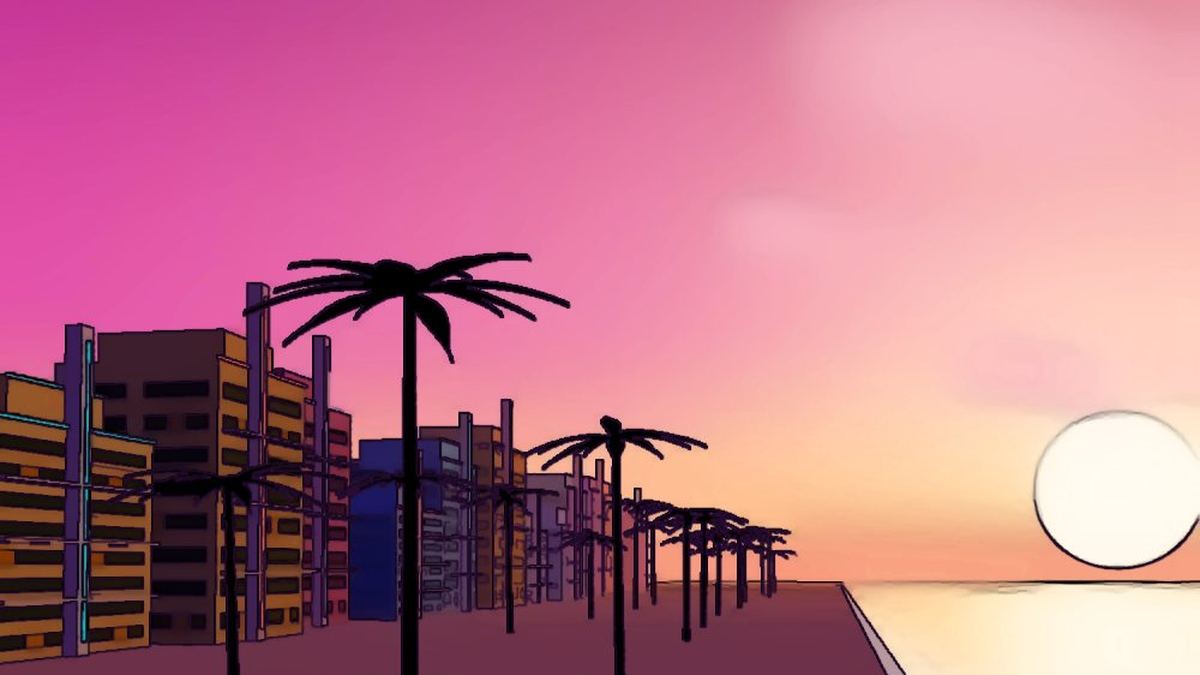
The pastel buildings and neon signs of Ocean Drive are some of the most recognizable sights in America. They were built during the Great Depression and came close to being torn down.
Building in hard times
After the 1926 hurricane and the bust, Miami Beach recovered in the 1930s with a new kind of tourism aimed at middle-class visitors. Developers built hundreds of small hotels and apartment buildings in the fashionable modern styles of the day: Art Deco, Streamline Moderne and later Mediterranean Revival.
A tropical twist
Architects such as Henry Hohauser, L. Murray Dixon and Anton Skislewicz adapted the style to South Florida. Look for "eyebrows," the thin concrete ledges that shade windows; porthole windows and racing stripes borrowed from ocean liners; glass-block walls; vertical towers called finials; and terrazzo floors. Many details reference sea life, palms and flamingos.
Decline
By the 1970s many of the hotels were run down, and the area was seen as a place for retirees on fixed incomes. Developers planned to replace the old buildings with high-rises.
The preservation fight
In 1976 Barbara Capitman, designer Leonard Horowitz and others founded the Miami Design Preservation League. Horowitz is credited with the pastel color schemes that made the district famous. In 1979 the Miami Beach Architectural District was listed on the National Register of Historic Places, among the first 20th-century districts to receive that recognition.
A comeback
Television, fashion photography and new investment helped revive South Beach in the 1980s and 1990s. Today the district is the backdrop for Miami Beach's nightlife and the visual signature of the city, and the inspiration for the pastel and neon colors on this site.
Three styles to spot
- Art Deco: vertical emphasis, geometric ornament, symmetrical facades and decorative panels.
- Streamline Moderne: rounded corners, horizontal bands and nautical details inspired by ocean liners and trains.
- Mediterranean Revival: stucco, tile roofs, arches and wrought iron, popular in the 1920s and revived later.
MiMo: the next chapter
After World War II, a new style emerged in Miami Beach and along Biscayne Boulevard, later nicknamed MiMo, for Miami Modern. Architects such as Morris Lapidus designed glamorous resort hotels like the Fontainebleau and Eden Roc, with sweeping curves, bold signage and dramatic lobbies. MiMo buildings are now also the focus of preservation efforts.
Walking tours
The Miami Design Preservation League offers walking tours of the Art Deco district, and its welcome center on Ocean Drive is a good starting point. The annual Art Deco Weekend festival celebrates the district's architecture, music and culture.
Neon after dark
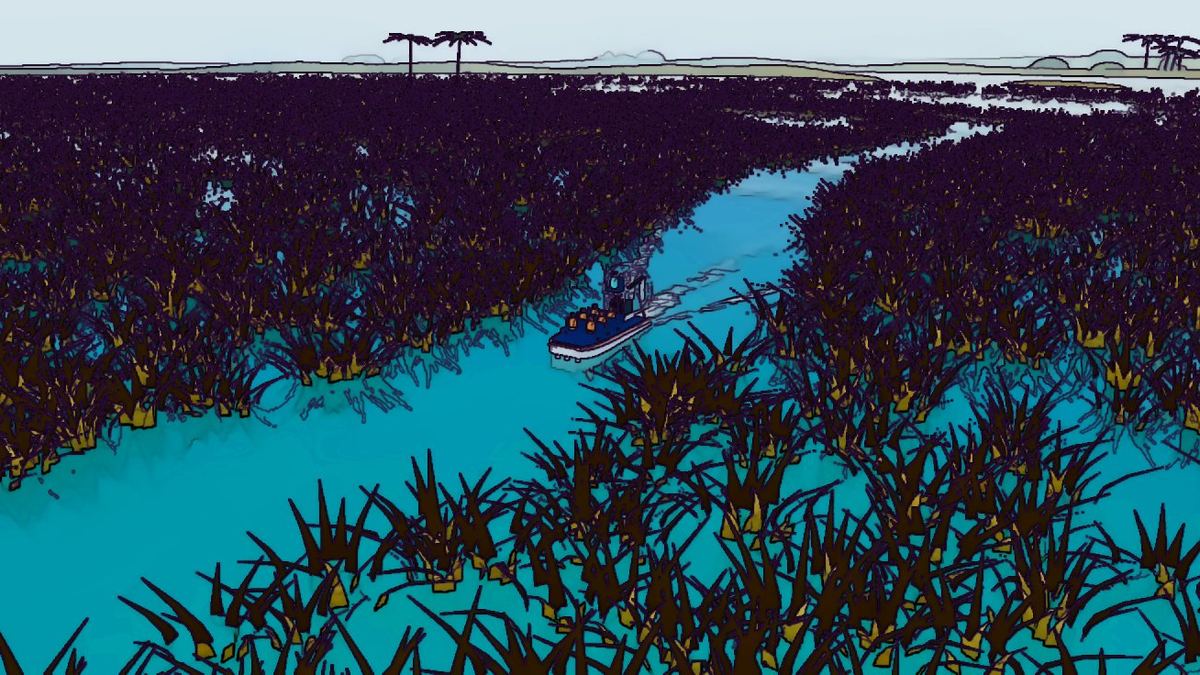
At night, Ocean Drive's neon signs glow in pink, blue and green, creating the look that inspired countless films, TV shows and photo shoots. Many groups pair an afternoon Everglades airboat ride with an evening in South Beach, the perfect contrast between wild Florida and city lights.
Sources & further reading
Keep reading
 Miami History
Flying Boats at Dinner Key: When Miami Was the Gateway to the Americas
In the 1930s, Pan American Airways' giant flying boats took off from Coconut Grove. Their terminal is now Miami City Hall.
Read article
Miami History
Boot Camp on the Beach: Miami During World War II
Hotels became barracks and golf courses became drill fields. How World War II transformed Miami and Miami Beach.
Read article
Miami History
Calle Ocho and the Making of Modern Miami
Since 1959, waves of Cuban exiles and immigrants from across the Americas have reshaped Miami, starting along SW 8th Street.
Read article