Everglades History & the Army Corps
CERP and the Long Road to Restoring the Everglades
The Comprehensive Everglades Restoration Plan is a multi-decade, multi-billion-dollar effort to re-plumb South Florida. What it is and how it works.
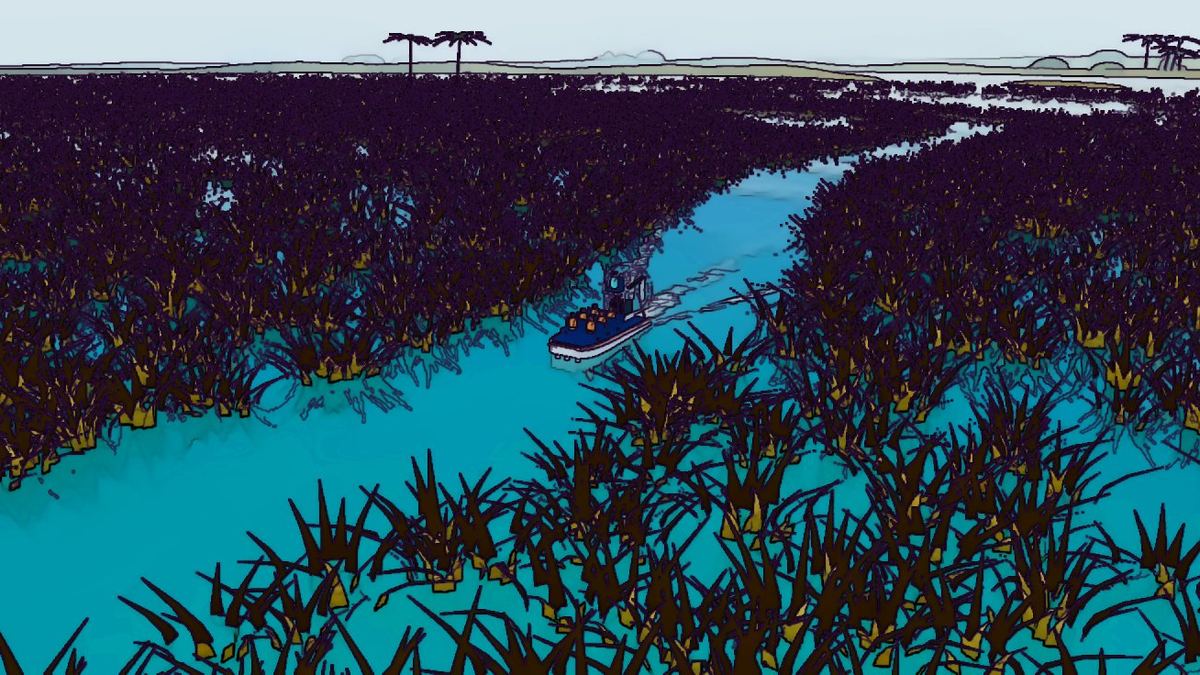
By the 1990s it was clear that South Florida's water system had a design flaw: it protected people from floods, but it starved the Everglades of clean water at the right time while sending huge volumes of fresh water out to sea through canals. The response is the largest restoration effort of its kind in the United States.
Cleaning the water first
Water flowing off farmland carried phosphorus that changed the marsh, letting cattails replace sawgrass. Florida's Everglades Forever Act of 1994 required cleanup, leading to the construction of large Stormwater Treatment Areas: constructed wetlands that use plants to pull phosphorus out of the water before it reaches the Everglades.
The 2000 plan
In the Water Resources Development Act of 2000, Congress approved the Comprehensive Everglades Restoration Plan, known as CERP. It is a partnership between the U.S. Army Corps of Engineers and the South Florida Water Management District, with costs generally shared between the federal government and the state. It includes dozens of projects meant to capture water that is now lost to tide, store it, clean it and send it south through the Everglades.
Key pieces
- Storage reservoirs, including a large reservoir in the Everglades Agricultural Area south of Lake Okeechobee.
- Removing barriers, such as raising sections of the Tamiami Trail onto bridges.
- Restoring flow paths in the central Everglades and around Everglades National Park.
- Protecting coastal estuaries like the St. Lucie and Caloosahatchee from damaging lake discharges.
Slow progress, real results
CERP has moved more slowly than first planned, but completed projects such as the Kissimmee River restoration and Tamiami Trail bridging show measurable improvements. Restoration is designed to unfold over decades, matching the scale of the changes made in the 20th century.
For anyone on an airboat in the central Everglades, CERP is the reason water managers pay such close attention to where the water is and how clean it is.
How projects get built
Each CERP component goes through planning, environmental review and congressional authorization before construction. The Army Corps of Engineers typically leads design and construction, while the South Florida Water Management District acquires land, operates completed projects and shares the cost. Florida has also accelerated some projects using state funds to speed up progress.
The EAA Reservoir
One of the most important projects is a large storage reservoir in the Everglades Agricultural Area, south of Lake Okeechobee, paired with treatment wetlands. It is designed to store water that would otherwise be released to the coastal estuaries, clean it and send it south toward the Everglades. It is one of the biggest pieces of the effort to restore flow south of the lake.
Measuring success
Scientists track indicators such as water depth and timing, phosphorus levels, wading bird nesting, the health of tree islands and the salinity of Florida Bay. Because the Everglades responds slowly, restoration is judged over years and decades, not seasons.
Why it matters to visitors
- Healthier water means more fish, which means more birds and alligators to see.
- Cleaner water protects the sawgrass that defines the airboat experience.
- Restored flows support fishing, tourism and drinking water across South Florida.
The restoration is one of the largest environmental projects in the world, and much of it is unfolding just west of Miami.
Sources & further reading
Keep reading
 Everglades History & the Army Corps
The River of Grass Before the Canals
How water once moved through the Everglades: a slow, shallow sheet flowing from the Kissimmee River through Lake Okeechobee to Florida Bay.
Read article Everglades History & the Army Corps
First Peoples of the Everglades: Calusa, Tequesta, Seminole and Miccosukee
Long before drainage and highways, people lived with the Everglades for thousands of years. A short history of the region's Native nations.
Read article
Everglades History & the Army Corps
The Swamp Land Act and Hamilton Disston's Four Million Acres
In 1850 Congress handed Florida its 'swamp and overflowed' lands. Three decades later a Philadelphia industrialist bought four million acres and started digging.
Read article