Miami History
Calle Ocho and the Making of Modern Miami
Since 1959, waves of Cuban exiles and immigrants from across the Americas have reshaped Miami, starting along SW 8th Street.
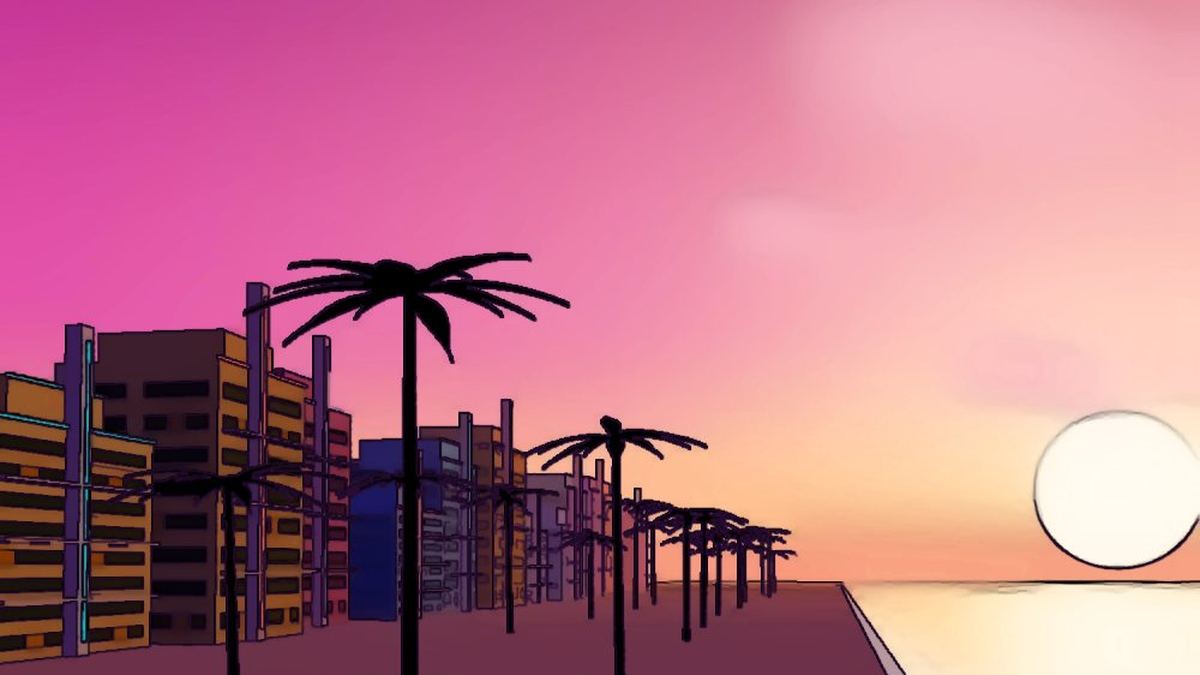
The same road that carries visitors west to the Everglades, SW 8th Street, runs through the heart of the story of modern Miami. In Little Havana it is Calle Ocho, and farther west it becomes the Tamiami Trail.
1959 and the first wave
After Fidel Castro took power in Cuba in 1959, tens of thousands of Cubans left for Miami, many of them professionals and business owners who expected to return soon. Between 1960 and 1962, Operation Pedro Pan brought more than 14,000 unaccompanied Cuban children to the United States.
Freedom Flights
From 1965 to 1973, the Freedom Flights carried hundreds of thousands of Cubans to Miami on regular flights from Varadero. Little Havana, along Calle Ocho, became the center of Cuban exile life, with cafes, cigar makers, domino players at Máximo Gómez Park and the Cuban Memorial Boulevard.
Mariel
In 1980 the Mariel boatlift brought about 125,000 Cubans to South Florida in a matter of months, one of the largest sudden migrations in U.S. history, testing the city's resources and reshaping its neighborhoods again.
A hemispheric city
In the following decades, Nicaraguans, Haitians, Colombians, Venezuelans and many others made Miami home. Spanish became a language of business and daily life, and Miami grew into a capital of Latin American banking, trade, media and culture.
From swamp to global city
In just over a century, Miami went from a riverside trading post at the edge of the Everglades to an international metropolis. A drive west on Calle Ocho, past Little Havana and out the Tamiami Trail to the sawgrass, takes you through that whole story in under an hour.
Little Havana landmarks
- Máximo Gómez Park: known as Domino Park, where locals play dominoes.
- Tower Theater: a historic 1920s theater that became a cultural center.
- Calle Ocho Walk of Fame: stars honoring Latin entertainers.
- Cuban Memorial Boulevard: monuments to Cuban history and exile.
Calle Ocho Festival
Each year, the Calle Ocho Music Festival fills SW 8th Street with music, food and dancing, drawing huge crowds. It is one of the largest Hispanic street festivals in the United States and a celebration of Miami's multicultural identity.
Food and culture
Cuban coffee, pastelitos, croquetas and Cuban sandwiches are now part of everyday Miami life. Ventanitas, walk-up coffee windows, are common across the city. Cuban music, art and literature have shaped the region's cultural scene for decades.
From Calle Ocho to the Everglades
Head west on SW 8th Street from Little Havana and you travel through the neighborhoods that grew with each wave of immigration. Keep driving and the street becomes the Tamiami Trail, the road to the sawgrass. Our departure point at 17696 SW 8th Street sits on that same historic road, connecting modern Miami with the wilderness at its edge.
Sources & further reading
Keep reading
Miami History
Miami's First European Outpost: The Spanish Mission of 1567
Within decades of Columbus, Spain tried to plant a mission at the mouth of the Miami River. It didn't last, but it put Miami on the map.
Read article
Miami History
Fort Dallas and the Seminole Wars on the Miami River
Dade County takes its name from a battle, and downtown Miami began as an Army post. How the Seminole Wars shaped early Miami.
Read article
Miami History
William and Mary Brickell: The Pioneers of the South Bank
Before Brickell was a skyline, it was a family. The Brickells' trading post helped turn a frontier river into a city.
Read article