Miami History
April 1896: The Florida East Coast Railway Reaches Miami
Henry Flagler's railroad turned a riverside settlement into a city almost overnight. How the tracks reached Biscayne Bay.
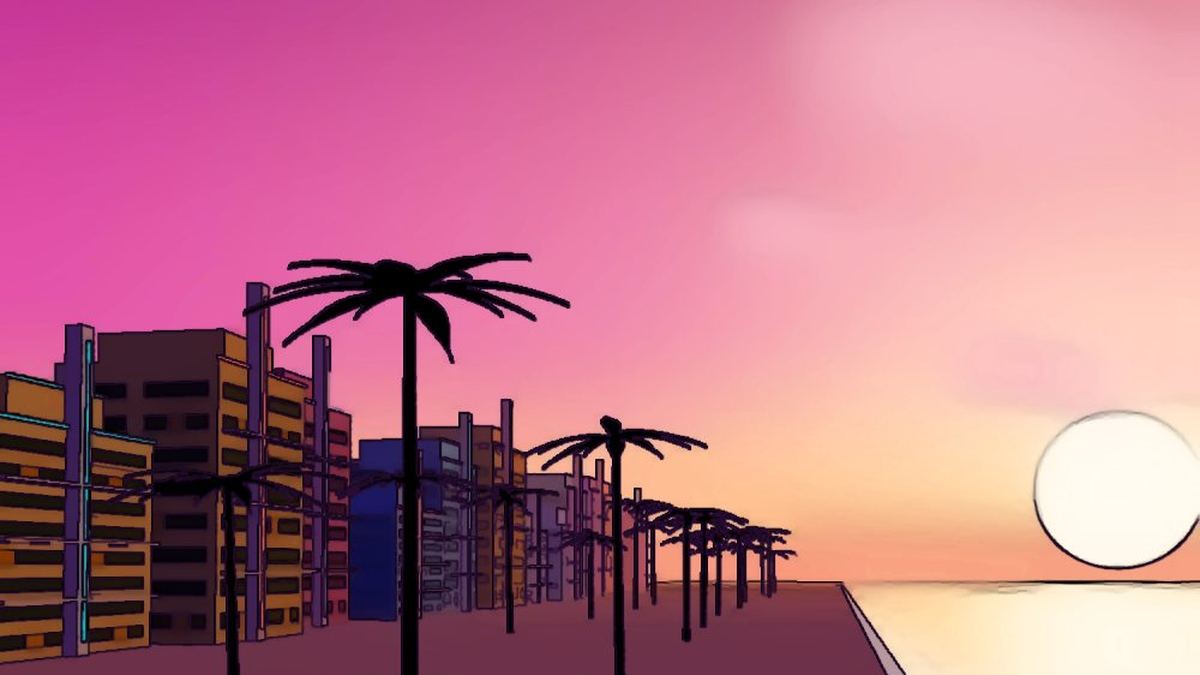
If one event created modern Miami, it was the arrival of the Florida East Coast Railway in April 1896.
Flagler's railroad
Henry Flagler, a co-founder of Standard Oil, had turned to Florida in the 1880s. He bought and built railroads down the Atlantic coast and opened luxury hotels in St. Augustine and Palm Beach. His line, reorganized as the Florida East Coast Railway, reached West Palm Beach in 1894.
Building south
After the freezes of 1894 and 1895 and the land offers from Julia Tuttle and the Brickells, Flagler announced in June 1895 that he would extend the railroad to Miami. Crews pushed the line south through pine woods and wetlands along the coastal ridge. Advance teams began clearing land at the river's mouth for the new city and Flagler's planned hotel.
The first train
The tracks reached Miami in early April 1896. The first train arrived on April 13, 1896, and regular passenger service began later that month. Overnight, Miami was connected to the rest of the country.
A city built by workers
Hundreds of laborers, including many Black workers from Georgia, the Carolinas and the Bahamas, cleared land, laid streets and built the hotel, the railroad facilities and the first homes and businesses. Their work, and their votes, would help incorporate the city just months later.
What the railroad changed
The railroad brought tourists, settlers, building materials and markets for local produce. It made Miami a winter destination and set the pattern for everything that followed: rapid growth, real-estate booms and an economy built on visitors.
The first depot
The first Miami railroad station was a simple wooden structure near the north side of the river, close to the planned hotel site. It quickly became the busiest place in town, where newcomers arrived, freight was unloaded and local produce headed north.
Building the town around the tracks
Flagler's crews laid out streets on a grid, built water and electric systems and helped establish early businesses. Flagler also supported the town's first newspaper and contributed land for churches and public buildings. The railroad company was deeply involved in shaping the city's early form.
Railroads and ports
Flagler also invested in improving Miami's harbor and shipping connections. Steamships linked Miami with Key West, Nassau and Havana, reinforcing Miami's role as a gateway to the Caribbean long before air travel.
The railroad today
The Florida East Coast Railway still operates freight service along much of Flagler's original route. In recent years, the corridor has also hosted modern passenger rail service connecting Miami with other South Florida cities and Orlando, a return of passenger trains to tracks first laid in the 1890s.
Sources & further reading
Keep reading
Miami History
Flagler's Royal Palm Hotel and the Birth of Miami Tourism
Miami's first great hotel stood where the river meets the bay. It introduced the city to winter visitors and set the course for a tourism economy.
Read article Miami History
The Railroad That Went to Sea: Flagler's Overseas Extension
From Miami, Henry Flagler pushed his railroad across the ocean to Key West. It was called the eighth wonder of the world and lasted only 23 years.
Read article
Miami History
Coconut Grove: Bahamian Roots and Bayfront Pioneers
Before Miami incorporated, a village on Biscayne Bay was already thriving. Coconut Grove's story is one of Bahamian builders and sailing pioneers.
Read article